
Nature Education in the USA – Part 2: What Can You Do?
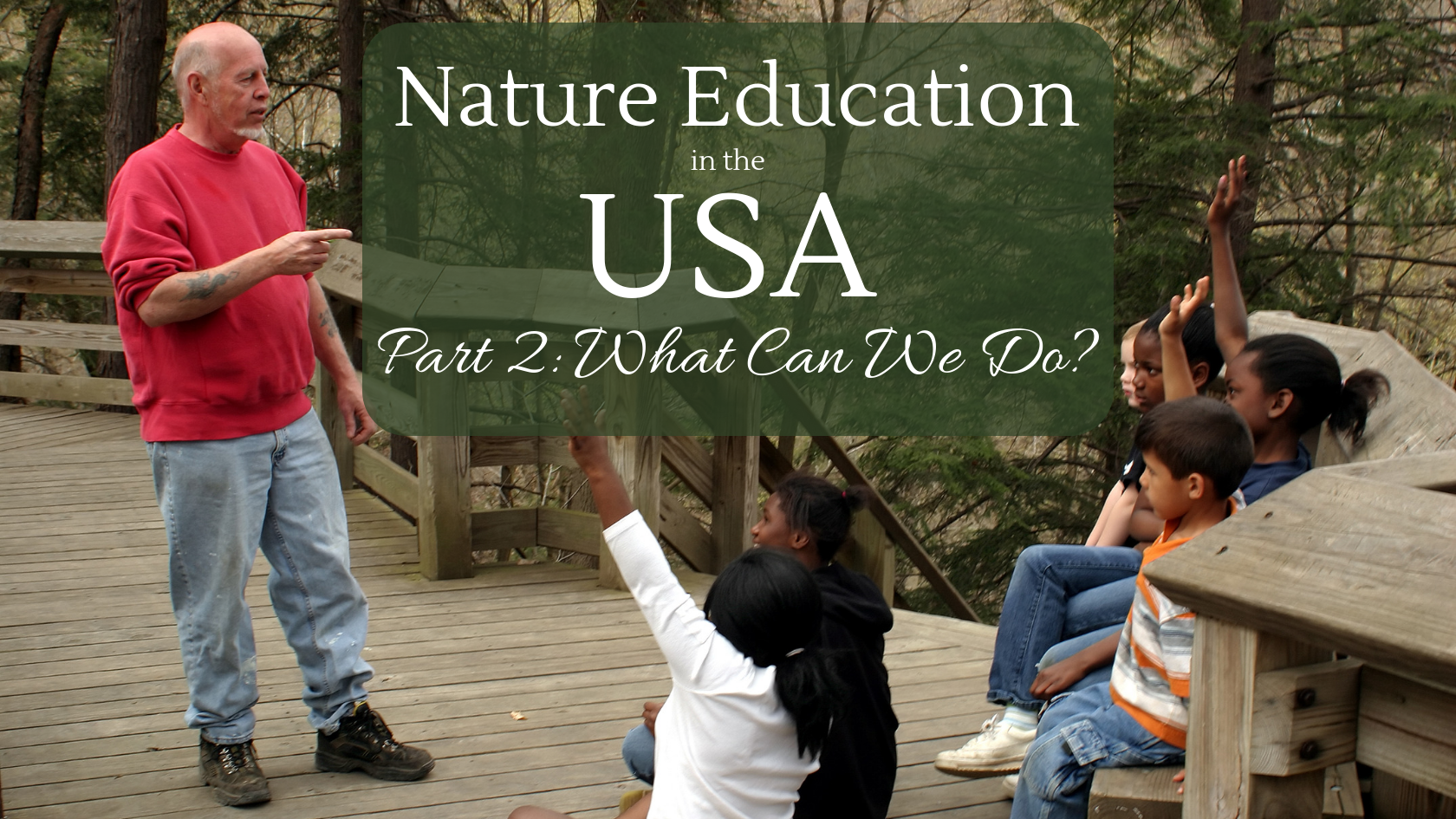
Nature Education in the USA – Part 2: What Can You Do?
August 29, 2019 by Taylor Studios
In our , we fretted about some alarming numbers that reflect the lack of scientific knowledge among the American public. The post was a “call to action,” intentionally meant to provide a startling dose of reality. But it also ended on an optimistic note, calling attention to the thousands of American nature centers, museums, and parks that already exist to educate the public. So now the question becomes, how should we educate them? Museums and nature centers are doing some wonderful things around the country, but clearly some practices can be improved. It is up to us to change the dismal trajectory of America’s (lack of) scientific knowledge. Let’s dig into some numbers and explore what they can teach us!
The news isn’t all bad. Even though most American children spend hardly any time outdoors, a.
Furthermore, fully who have spent time outside say that being in nature and taking part in outdoor activities has helped relieve stress.
So, the lesson here? Most children – and most likely a similar majority of the public in general – have at some point experienced the benefits of nature. And those who have are cognizant of its positive effects. These steps – experiencing and appreciating the natural world – are often the building blocks for a deeper engagement in science and nature. So where are we falling short? Let’s get back to some numbers.
A large portion of the American public says that it to do certain outdoor activities.
for American schoolchildren.
People – and youth in particular – are .
So, what is to be learned from these numbers? Although
this could be discussed in much more depth, I think that the main points are as
follows:
A lot to digest, I know! And there are no easy answers.
But luckily for us, we are part of a network of thousands of sites and millions
of educators. If we learn from the numbers – both the positive and negative
ones – we can begin to inspire more and more Americans to better understand our
natural world. What do you think? How should we approach necessary change?